Customers
  Distributor
  Join us as an Advisor
  Employee













































 :
:  :
:  :
: 








Key Takeaways
- Proximate cause in life insurance refers to the primary or effective cause that leads to an insured event or loss.
- Understanding the principle of proximate cause helps insurers determine whether a claim is payable under the policy terms and conditions.
- Knowing how proximate cause works can help you better understand claim decisions when purchasing life insurance plans.

When purchasing insurance, most people focus on coverage amount, premium, and policy benefits. However, understanding how insurers evaluate claims is equally important. One of the key legal principles used during claim assessment is the doctrine of proximate cause. This principle helps insurers determine whether a particular event directly caused the loss covered under the policy.
Although the concept is commonly associated with general insurance, it can also become relevant in certain claim scenarios involving life insurance. Understanding proximate cause in life insurance can help you appreciate how insurers assess claims and why certain claims may be accepted while others are declined.
What Is Proximate Cause in Life Insurance?
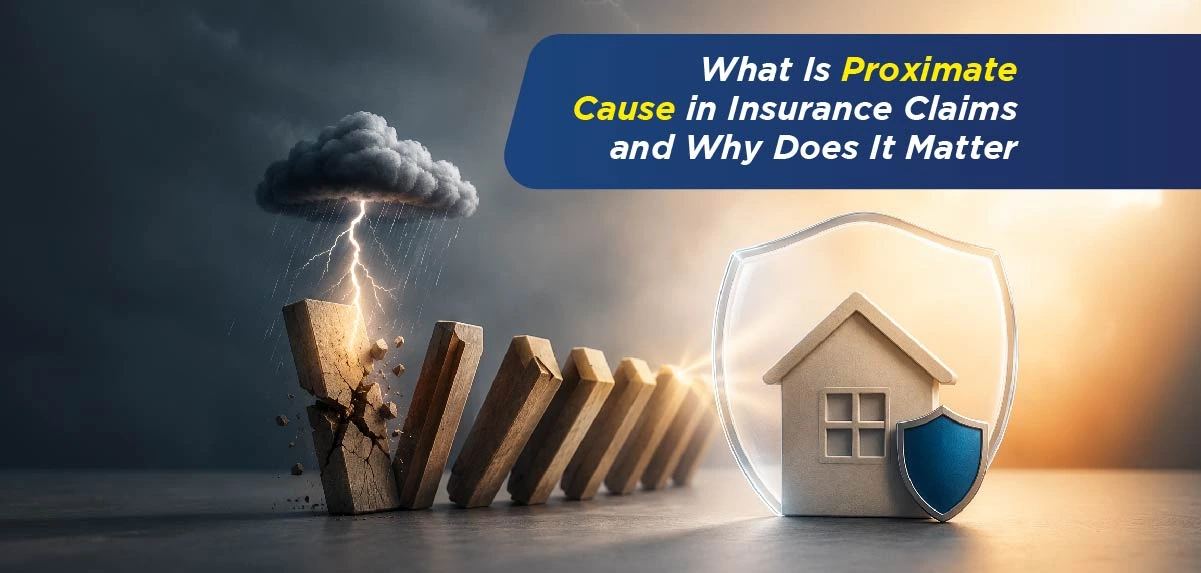
Proximate cause in life insurance refers to the primary, dominant, or most effective cause that directly results in an insured event or loss. Rather than examining every event that may have contributed to a claim, insurers identify the cause that set the chain of events into motion and had the closest connection to the outcome.
In insurance law, proximate cause is not necessarily the first event that occurred but the most significant cause without which the loss would not have happened.
The principle ensures that claims are assessed fairly and consistently based on policy terms.
Why Is Proximate Cause Important?
The doctrine of proximate cause helps insurers determine whether a claim falls within the scope of policy coverage.
It serves several important purposes:
● Determines whether the cause of loss is covered under the policy.
● Helps distinguish between covered and excluded events.
● Supports consistent claim assessment.
● Reduces disputes regarding claim settlement.
● Provides legal clarity during complex claims.
Without this principle, determining liability could become significantly more complicated when multiple events contribute to a loss.
How Does Proximate Cause Work?
When a claim is reported, insurers investigate the sequence of events that led to the insured loss. Instead of focusing on every contributing factor, they identify the dominant cause responsible for the outcome.
For example:
Suppose a policyholder suffers an accidental injury that later leads to complications resulting in death. During claim assessment, the insurer evaluates whether the accident was the proximate cause of death or whether an unrelated medical condition was the dominant cause.
The outcome depends on the facts of the case and the policy's terms and conditions.
Difference Between Immediate Cause and Proximate Cause
Although they may sound similar, immediate cause and proximate cause are not always the same.
Immediate Cause | Proximate Cause |
The event occurring immediately before the loss. | The dominant and effective cause that led to the loss. |
May not determine claim liability. | Plays an important role in claim assessment. |
Focuses on chronology. | Focuses on legal and factual causation. |
This distinction helps insurers evaluate claims involving multiple contributing events.
Situations Where Proximate Cause May Be Considered
The principle may become relevant in situations involving:
● Accidental death
● Multiple contributing medical conditions
● Policy exclusions
● Simultaneous events
● Complex claim investigations
Each claim is assessed individually based on medical records, policy provisions, and available evidence.
Does Proximate Cause Affect Every Life Insurance Claim?
No. Most life insurance claims are straightforward and are settled after verifying the policy terms, cause of death, and required documentation.
However, proximate cause in life insurance may become relevant when:
● More than one event contributes to the loss.
● The policy contains specific exclusions.
● There is uncertainty regarding the actual cause of death.
● The insurer needs to determine whether the loss falls within policy coverage.
In such cases, the principle helps establish whether the insured event is covered under the policy.
Common Factors Considered During Claim Assessment
While evaluating claims, insurers may examine:
● Medical reports
● Hospital records
● Death certificate
● Treating physician's opinion
● Accident reports (where applicable)
● Policy exclusions
● Nominee's claim documents
These records help establish the circumstances surrounding the claim.
Why Honest Disclosure Matters
Accurate information provided when purchasing life insurance plays an important role during claim settlement.
You should always disclose:
● Existing medical conditions
● Smoking or tobacco habits
● Occupation
● Previous illnesses
● Family medical history where required
Providing complete and truthful information helps ensure smoother claim processing and reduces the possibility of disputes later.
Choosing the Right Life Insurance Policy
Understanding claim principles is only one aspect of financial protection.
When comparing life insurance plans, you should also consider:
● Coverage amount
● Policy term
● Premium affordability
● Available riders
● Claim settlement record
● Policy exclusions
Selecting a policy that matches your family's financial needs can provide greater peace of mind over the long term.
How Can You Reduce Claim Complications?
Although you cannot control unforeseen events, you can make future claim settlement easier by:
● Providing accurate information in the proposal form.
● Informing the insurer about material changes when required.
● Keeping policy documents safe.
● Updating nominee details whenever necessary.
● Ensuring premium payments remain up to date.
These simple steps help ensure your beneficiaries can submit claims without unnecessary complications.
Before You Go...
Understanding how claims are assessed can help you choose insurance with greater confidence. But the first step is to make sure your family has adequate financial protection in place. Calculate how much term life insurance could cost and choose a plan that suits your needs.
Calculate Your Term Insurance Premium
Conclusion
The principle of proximate cause in life insurance helps insurers identify the dominant cause responsible for an insured loss when multiple events are involved. While most life insurance claims are straightforward, this principle becomes particularly important in complex situations where determining the true cause of loss is essential for fair claim assessment. By understanding how claims are evaluated, providing accurate information during policy purchase, and selecting suitable life insurance plans, you can make informed decisions that support both smoother claim settlement and long-term financial security for your loved ones.