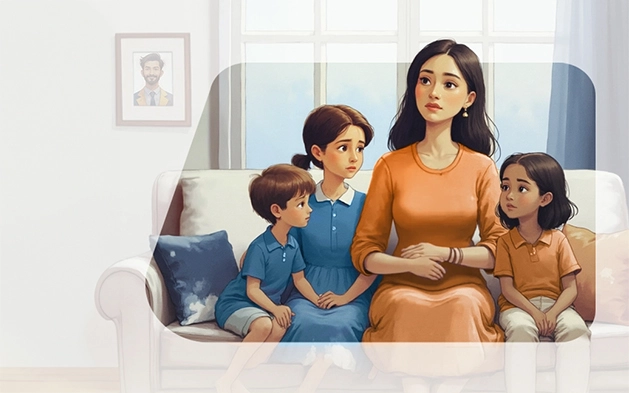







Upon the death of a loved one, one of the key financial aspects to take care of is health insurance. It immediately becomes important to complete the process of transferring policies to prevent any procedural hiccups in the future.
Unlike life insurance, health insurance only deals with the expenses of the person who experiences issues or ailments. It helps cover the medical costs of an individual that were incurred before their death. However, health insurance after the death of the policyholder is not just about resolution but also about continuity.
By going through the information provided below, we hope you find it easier to navigate crucial moments and handle health insurance after the death of the policyholder without rushing or second-guessing every step.
What are the Immediate Steps to Take After the Policyholder’s Death?
When someone passes away, health insurance rarely feels like a priority. Yet, it often becomes unavoidable very quickly. Hospital papers may still be lying around, and the person who handled the policy, knew which insurer to call, or where the documents were kept, is suddenly not there.
-
1. Collect all medical and hospital papers
After the death of an individual, it is possible for some of the important medical papers related to the deceased individual to be at the hospital, some in the form of electronic copies in emails, some in a drawer at home, and some never provided at all. Such a situation can be commonly experienced by family members, and unfortunately, it is situations like these where claims tend to slow down.
Every document connected to the treatment matters. Admission and discharge summaries, prescriptions, test reports, pharmacy bills, and final invoices, all of it need to be gathered. If the hospitalisation was cashless, approval emails and forms are just as important. Insurers rely on these records to decide whether a claim is payable.
If even one document is missing, families are often asked to resubmit or start again. Sourcing and storing the papers together early can help ensure valid claims under health insurance after the death of the policyholder.
-
2. Inform the health insurance company
For someone who hasn’t done it before, it may feel uncomfortable. Families are usually unsure of whom to call, what to say, or when to call. Still, the insurer needs to be informed. Until that happens, nothing else can move forward.
Most insurers allow intimation through customer care, email, online portals, or branch visits. At this stage, they may ask for policy details and a copy of the death certificate. Informing the insurer early does not force immediate decisions. It simply opens the door for clarity around timelines and the next steps that are related to health insurance after the death of the policyholder.
-
3. Submit hospital bills for reimbursement or cashless documentation
If treatment took place while the policy was active, eligible expenses can still be claimed. It may involve filing a reimbursement claim or completing pending cashless formalities. Many families worry they have missed the window, but insurers generally consider claims for treatment taken during the policy period (subject to terms).
What matters is submitting complete documents. Partial submissions often lead to repeated follow-ups, which can be emotionally draining. Careful filing at this stage helps ensure genuine claims under health insurance after the death of the policyholder are not lost.
How to Understand How the Policy Is Affected?
It is not uncommon for families to often find themselves stuck between grief and responsibility. Act too fast, and you fear making a mistake. Wait too long, and you worry about missing a claim or letting coverage lapse quietly.
-
Check what happens to family floater coverage
Family floater policies are often misunderstood after a death. Many families assume the policy automatically ends, while others assume it continues unchanged. The reality depends on the insurer’s rules & who the policyholder and proposer were.
In many cases, family floater coverage can continue for remaining members. But this is not automatic. It needs to be confirmed. Ignoring this step can lead to a situation where dependents believe they are covered when they are not, especially during health insurance after death of the policyholder.
-
Confirm coverage for dependents
On a health policy, spouses, children, or parents may still be insured, or may require changes at renewal. Some insurers allow a surviving member to take over as proposer, while others process changes differently.
Families often delay this confirmation because it feels administrative. But waiting too long can create gaps in coverage. A simple confirmation with the insurer helps ensure dependents remain protected under health insurance after the death of the policyholder.
-
Update the policy proposer details
If the deceased was the proposer, insurers usually require proposer details to be updated. The step ensures that future communication, renewals, and claims are handled correctly.
Without this update, families may miss renewal reminders or policy notices. Updating proposer information may feel secondary during grief, but it prevents confusion later.
What are the Important Decisions to Make Going Forward?
Health insurance after death may not completely end immediately, but there are moments where delay can come at a cost. The following tips can help manage different aspects of health insurance.
-
Assess if the existing policy meets current family needs
After immediate matters settle, families often realise that their needs have changed. The loss of a member can affect affordability, required coverage, and priorities.
A policy that once felt adequate may now feel insufficient or unnecessarily expensive. Reviewing this calmly helps ensure that health insurance after the death of the policyholder continues to serve a real purpose.
-
Explore porting options if required
If the current policy no longer fits, portability can be explored at renewal. Porting allows families to move to another insurer while retaining continuity benefits, subject to conditions.
Don’t rush to make this decision. Understanding waiting periods, coverage limits, and exclusions matters more now than ever when dealing with health insurance after death.
-
Add or remove members based on the current situation
Family composition often changes after a loss. Some policies allow members to be added or removed, usually at renewal.
Keeping the policy updated ensures coverage reflects reality. Otherwise, health insurance after death can quietly become outdated and ineffective.
How to Prepare for the Future?
In times of distress, it becomes even more important to handle health insurance after the death of the policyholder without rushing or second-guessing every step.
-
Know the difference between health insurance and life insurance benefits
Health insurance and life insurance are often confused at this stage. Health insurance does not provide a payout after death. It covers medical expenses. On the contrary, life insurance provides a lump-sum benefit.
Understanding this difference prevents unrealistic expectations. Health insurance after the death of policyholder remains relevant only if it continues to protect surviving members from medical costs.
-
Keep the policy active so the remaining family members stay protected
Allowing a health insurance policy to lapse during grief is more common than people realise. Missed renewals can lead to loss of continuity benefits and exposure to high medical costs later.
Even if decisions feel heavy, tracking renewal dates and keeping the policy active can protect the family’s future. Health insurance after the death of the policyholder is not about closing accounts but about maintaining protection where it still matters.
After going through the above information, we believe that you should be able to confidently navigate your way through the different processes after getting an understanding of the different requirements, the rights of the beneficiaries, and even how those rights might affect coverage itself. What helps is moving steadily, not quickly. Understanding what needs attention now, confirming what continues, and keeping coverage intact where possible.
Frequently Asked Questions
-
What is the process to claim the health policy if the policy proposer passes away?
If the proposer is also the individual covered by the plan, the nominee will be granted the policy benefits. However, if the proposer and the insured are two different people, ownership of the policy typically transfers to the individual named in the proposer’s legal will.
-
What happens to the claim if both the policyholder and the nominee die?
If both the policyholder and the nominee are deceased, the right to file a claim transfer to the remaining legal heirs. This group generally consists of immediate family members, such as a spouse, children, or parents.