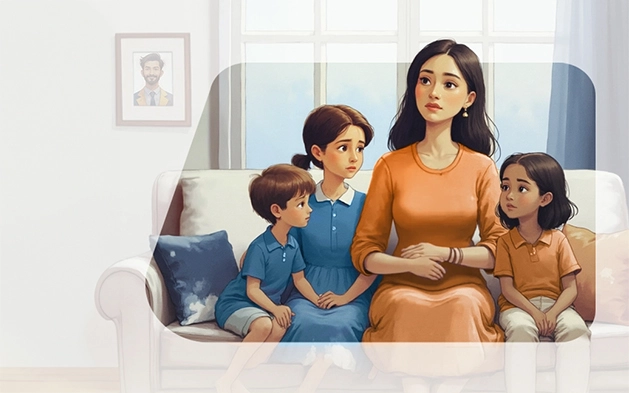
When the death of a loved one can deeply affect the adults around them, the impact on children can be even more confusing and distressing. In such situations, you, as a parent or a caregiver, have an important role to play. Having an honest, heart-to-heart conversation with your little one can deeply comfort, make them feel little lighter and reassure them during such a difficult time.
Why It is Important to Talk to Your Children About Death
Parents may often not know how to talk to children about death or may hesitate for the same. However, it is important to understand that children do realise the presence of loss. They notice the change in routines, hear fragments of conversations, or sense the sadness in their loved ones’ tone.
What a child needs at a sensitive time like this is the reassurance that their feelings matter and that they are not alone in trying to make sense of what has happened.
When adults create space for honest, age-appropriate conversations, they help children develop a healthy understanding of death as a natural part of life. More importantly, talking to children about death in this manner helps them believe that their emotions are safe to share and will be met with love and care.
How to Explain Death to Children in an Age-Appropriate Manner
Children understand loss differently depending on their age.
-
Toddlers (0–5 years)
Toddlers and preschoolers do not yet understand that death is permanent. They may simply notice that someone is missing or that routines have changed. Sometimes, they may even believe the person can come back or wonder if they themselves caused the loss.
How you can support them:
Use very simple, clear words. For instance, when wondering how to tell a child about the death of a parent, keep your explanation direct, like: ‘Daddy’s heart stopped working, and that is why he has died. He cannot come back’.
-
School-Age Children (6–12 years)
At this age, children begin to grasp that death is permanent, but the idea can feel overwhelming. They may ask very direct questions, such as ‘How did it happen?’ or they may express worries about the safety of others they love.
How to support them:
Speak gently, but with honesty. Simple, clear words, such as ‘death’ and ‘died’, can help children feel less confused, when compared to more unclear phrases.
Maintain a routine, in the form of regular meals, bedtime rituals, and school routines. It will give them stability when life may feel uncertain for them.
Allow room for spontaneous release through drawing, storytelling, music, or sports. Often, these outlets can give children a safe way to express grief that words cannot always hold.
-
Teenagers (13+ years)
Teenagers usually understand death in the same way adults do, but their grief often shows up in complex or hidden ways.
How to support them:
Set clear routines, regular family meals, and predictable responsibilities, which can give teens a sense of grounding and support both emotional and physical well-being.
Offer them outlets for release, such as art, music, theatre, journaling, or sports, so they have safe ways to channel their emotions. If they show anger, help them find safe outlets, such as boxing, running, or hitting a punching bag.
What are the Dos and Don’ts of Talking About Death with Kids?
While there is no perfect way to approach these conversations, a few gentle guidelines can help you create a safe space for your child to process loss.
-
Do’s
Be prepared for many emotions: sadness, anger, or even silence. Accept their reactions without judgment.
Share information in small, age-appropriate doses. Let their questions guide how much you explain. Be honest if you do not know the answer.
Allow space for tears.
Respect their unique way of grieving. Some children may withdraw, while others may talk openly. Both are normal.
Prepare them for what to expect at a funeral or memorial.
Talk gently about how special occasions may feel different in the future without the presence of the deceased one.
Keep checking in over time.
Care for yourself, too, in the best way you can, within the situation.
-
Don’ts
Don’t hide your own grief. Let them see that it is okay to cry and miss someone deeply.
Don’t avoid sharing memories. Stories not only bring comfort but also keep the love alive.
Don’t push conversations away or make death a ‘taboo’ subject.
Don’t disrupt daily routines more than necessary.
Don’t put a time limit on grief.
How To Help Children Cope with Grief?
Along with knowing how to talk to children about death, it is also important to be prepared with the right resources and ways to help them cope with the grief of it.
Children need outlets to process their emotions. Encourage them to express feelings through:
Simple rituals, like lighting a candle or planting a tree in their memory. This can help children realise that one can live life by honouring the loved one’s memory. Drawing or writing about the person.
Storytelling or making memory books about the joy and adventures they had with the person.
Understand When External Help is Needed
While many children grieve naturally, some may need extra support. If a child withdraws completely or becomes quiet, shows excessive regression or aggression, or displays sudden behavioural changes, it may be time to seek guidance from a child counsellor or therapist.
Practical Considerations: Connecting the Dots for the Future
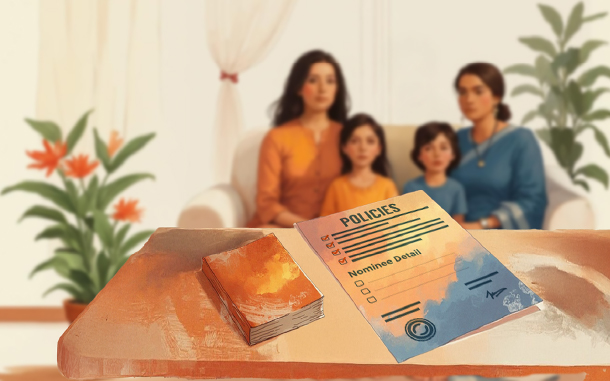
Sometimes, death brings not only emotional loss but also practical responsibilities. For instance, when explaining the death of a parent, children may overhear adults talking about life insurance. For adults, understanding the formalities to claim life insurance or knowing how to life insurance ensures that the family remains financially supported during a difficult time.
Now, while children do not need to know all the details, they may get confused when they hear you talking about the person who has passed away, with other people, for legal or financial reasons. Caregivers can gently explain that such plans help families manage financial needs after someone passes away. This can help children realise, in their own way, that while death is permanent, life must go on.
Frequently Asked Questions
-
What is the best strategy for discussing death with children?
When talking to children about death, clear, honest, and compassionate communication can help them feel safe and understood.
Creating a safe space for questions and conversation.
Using direct words like “dead” and “died,” and avoiding euphemisms that cause confusion or fear.
Asking clarifying questions to understand what the child is really asking.
Being honest at a level that matches their developmental understanding.
Sharing information in small doses and balancing talk with play.
Addressing fears and misconceptions with reassurance.
-
What is a good age to talk to kids about death?
Between the ages of five and seven, children start to understand that death is permanent and cannot be undone, and that a person who has died will not come back. Children who have experienced a loss at a younger age may often need to revisit and re-understand that loss as they grow older and become more aware of the final nature of death.
-
At what age do kids start worrying about their parents dying?
A 2023 study titled Children’s Understanding of Dying and Death found that children often think about death before they have the words to ask questions or share their fears. Sometimes, this may happen as early as age five or younger. Because children have vivid imaginations, honest and clear explanations are better than leaving space for misunderstandings or frightening assumptions.
-
What to say to a child afraid of death?
Let your child know that their fears and questions are valid and there is nothing to be embarrassed about. Thinking about death and feeling worried from time to time is a normal part of growing up. When appropriate, sharing that you have had similar thoughts can help normalize their feelings and show them they are not alone.
By Sameeksha Phadke
Counselling Psychologist