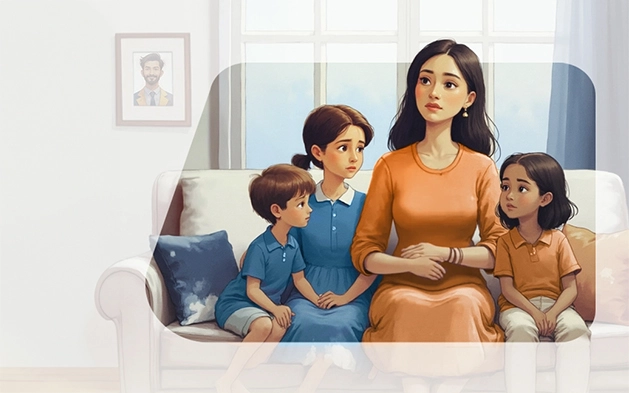






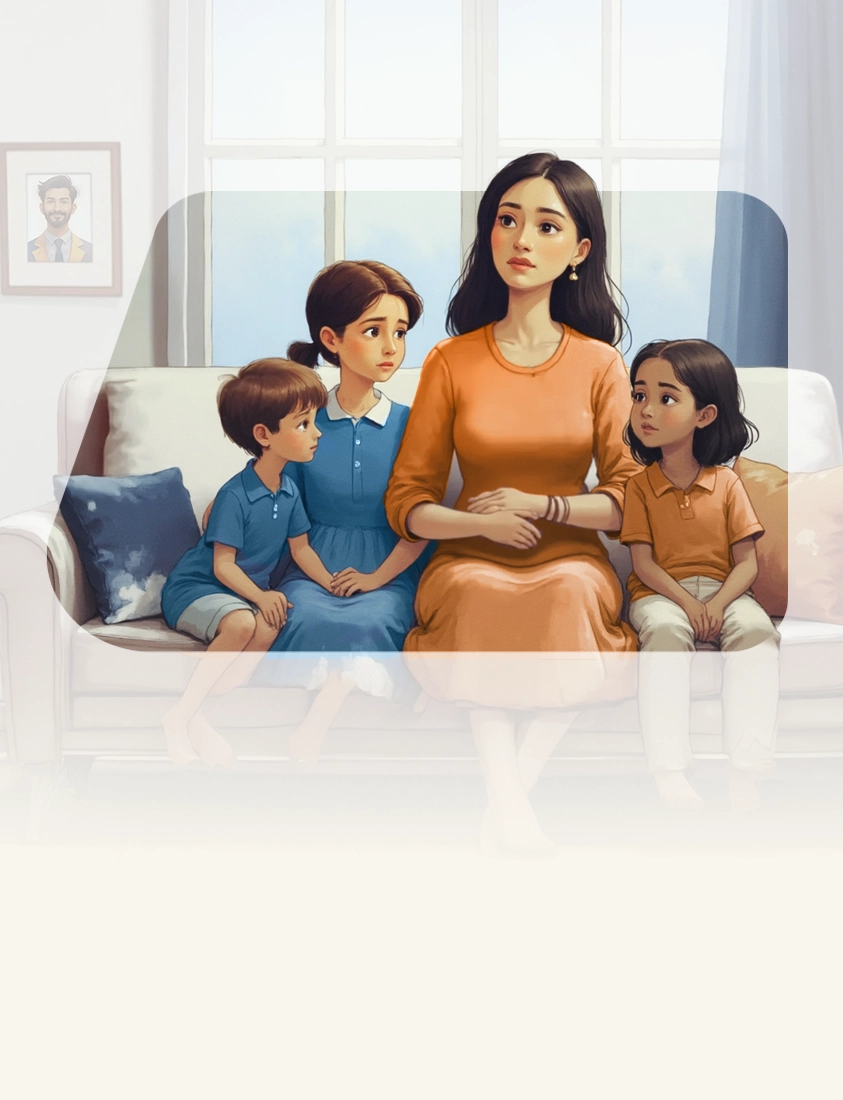
One of the things that everyone experiences at some point or another in life is its absolute opposite, which is death. And despite being such an unavoidable part of our lives, most of us may talk about death too little, and that too, with very few words. But talking about death is not morbid. It is not a bad omen. It is a practical, healthy, deeply human conversation that helps people feel less afraid and more prepared. When we avoid these conversations, we leave fear and uncertainty to fill the gap instead.
Why talking about death is taboo
A big reason is the fear of upsetting others. You might think, “If I bring this up, I’ll scare my parents,” or “They’ll assume I’m being negative,” or “They’ll think something is wrong with me.” As a result, people stay silent, even when they genuinely want clarity. That silence doesn’t bring peace. Instead, it can quietly turn into unresolved anxiety, unanswered questions, and a constant mental loop of “what if.” Often, this silence comes not from indifference, but from care; people stay quiet because they don’t want to hurt the very ones they love.
Superstition also plays a role. Many of us may have heard some version of “Don’t talk about it, it will invite it.” That belief feels protective, but it comes with a cost.. Each time the topic is avoided, superstition is quietly validated, teaching people that silence is safer than conversation.
If you dig deep into personal relationships and look at the patterns and events in family histories, you might observe that breaking the taboo isn’t easy. Most of the resistance seen in topics considered a verbal taboo, is guided by strong feelings such as fear and sadness.
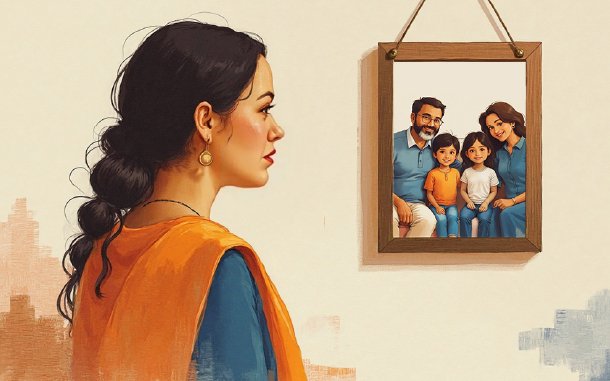
There is also the discomfort of grief itself. When someone dies, people want to help but do not always know what to say. Many families learn to keep the topic “clean and quick.” No deep emotions, no details, no planning. This avoidance can feel polite, but it can also leave emotions unrecognised When emotions are kept “clean and quick,” people miss the chance to grieve together and support one another openly.
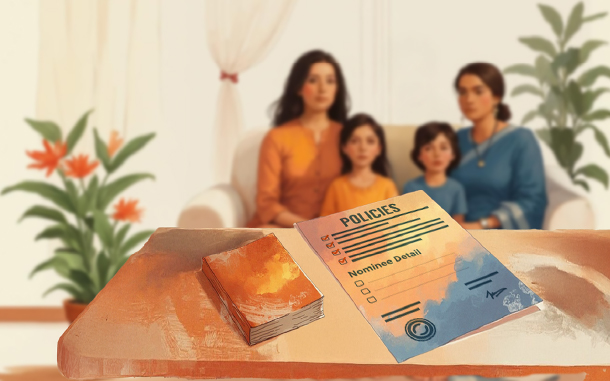
When death is treated as unmentionable, grief can often become harder because people can feel alone with their emotions. Families move on without healing because nobody knows what the other person wanted or needed during times of grief. Practical matters get postponed, like expressing wishes, writing a will, updating nominees, or sorting documents. Breaking the taboo on talking about death should therefore be undertaken without any kind of delay. When practical decisions are discussed in advance, families can get through things together instead of struggling through uncertainty.
Is it inappropriate to discuss death in some cultures?
Due to the sheer diversity of people in India, there is a possibility of the existence of cultures where death is associated with grief and fear. This can make it difficult to discuss death openly. People of those cultures may avoid talking about it to prevent emotional distress or discomfort. Being mindful of cultural beliefs and speaking openly about death are not opposite practices; they can exist together.
Why it actually helps to talk about death
Talking about death in a humble and respectful manner does not necessarily make life darker. It often makes life calmer.
A lot of fear comes from uncertainty. When a topic stays unspoken, your mind can fill the gap with worst-case scenarios, guilt, and “what if” thoughts. A simple conversation can replace that fog with clarity.
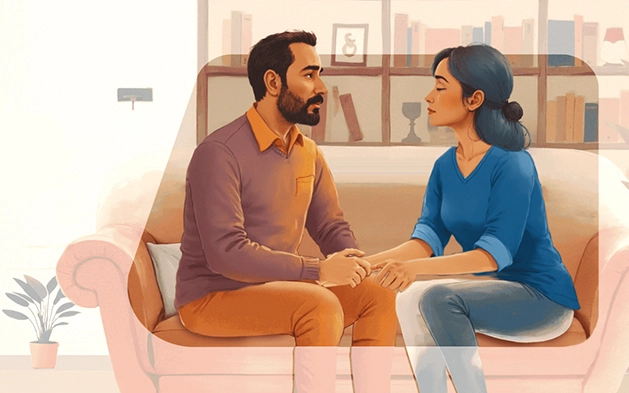
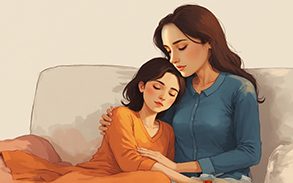
Talking about things can also create emotional safety. When a family can talk about the harsh things in life, without panic and hesitation, each member of that family can feel less alone. Someone who is anxious about the future can finally get the space to say things out loud. Someone who is grieving can speak openly instead of carrying it privately. Even a short conversation can reduce the weight people silently carry.
On the practical end, open-hearted discussions can reduce chaos. When families have never talked about death, a sudden loss can lead to confusion and conflict. People may argue simply because they are stressed. They might get stuck focusing too much on what the person would have wanted and not understand whether their wants actually help the family or specific individuals in the family. They might ignore their loved ones’ needs or wants. They might struggle to find important things, such as documents essential to the situation they’re in. They might miss important steps.
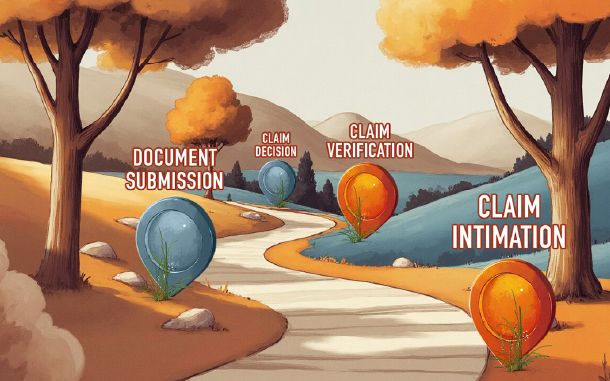
A few calm conversations before a crisis can prevent some issues in the future. A conversation may not remove grief, but it may certainly help reduce avoidable confusion. It can give your family a sort of crude roadmap to follow in times of crisis (even if it is only a simple one). For breaking the taboo, initiating a conversation can be one of the simplest first steps one can take.
How to begin small conversations without fear
You do not need a dramatic “family meeting”. You do not need perfect words. You just need a gentle moment to begin and the willingness to keep it simple. And more importantly, you also need to believe that it is okay to talk about death.
Use everyday moments that already feel practical.
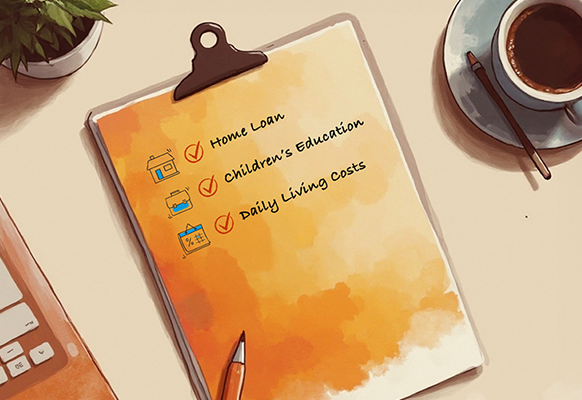
Start with finances, because it is the easiest doorway. When you are paying bills, updating nominees, renewing insurance, or sorting out finances at the end of the year, saying something like “If anything happens to me, I don’t want you to struggle to find details” can have a calming effect on people and help them get through times of pain, confusion, and fear. Additionally, talking about death via finances is a good starting point, as both the field of finance and the concept of money connect to survival and daily living. As a result, the opposite individual can understand the importance of the discussion and has a better chance of dissociating themselves from any negative annotations on the topic. The entire conversation can then become much more emotionally safe for both individuals.
You can also slowly and gently begin taking care of activities that involve health. A routine check-up, a hospital visit, or even hearing about someone else’s illness can be a natural trigger to say, “Let’s keep our paperwork and protection updated.” The tone matters. You are not predicting tragedy. You are preparing responsibly.
Why reassurance is important
Preparing for the inevitable is a sign of love, not negativity.
Many may avoid these talks because they worry that they may sound “morbid”. But the real ‘darkness’ is when families face loss with no clarity, no information, and no plan. That is when anxiety can spike, misunderstandings can grow, and people suffer more than they need to.
Talking about it can also create emotional safety. It tells your family, “We can handle hard topics together.” It reduces anxiety because the unknown becomes known. It helps families support each other better because they are not scrambling for answers when emotions are already raw.
So, Is It Okay To Talk About Death?
Yes.
The eventuality of death does not become easier because we avoid talking about it. Silence only makes it harder, lonelier, and more confusing when the moment comes.
Start small and keep it practical. Only when you lead the way, will people realise that it can be okay to talk about death.
By Sameeksha Phadke
Counselling Psychologist