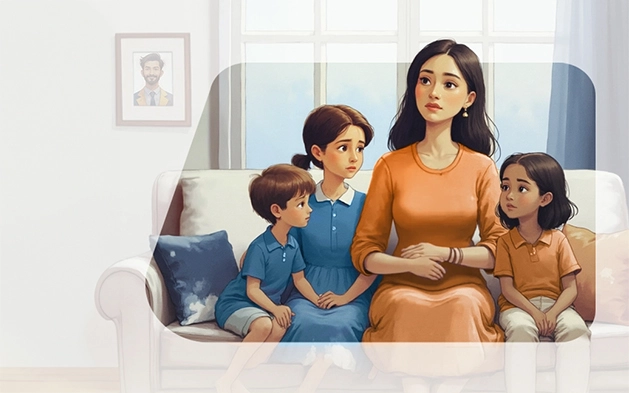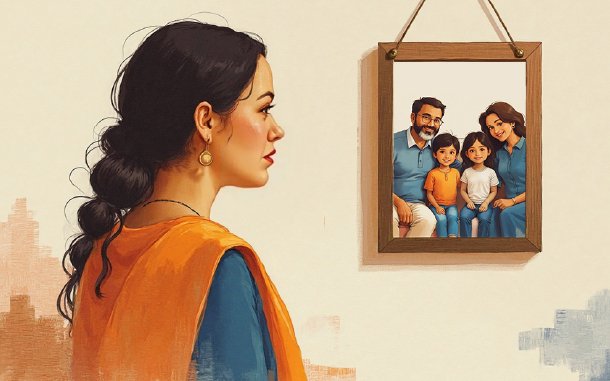







Grief can make everything feel overwhelming, as if life has come to a standstill. It’s natural to feel disconnected or unsure of how to move forward. And that’s okay, because healing takes time, and it’s okay to not be okay.
Grieving at One’s Pace
Grief follows its own timeline; the world you have inhabited for so long is no longer the same without the person you have lost. While others may expect you to "stay strong" or move on, your internal reality remains shaken. This is because healing isn't linear or predictable. You may experience steady days followed by waves of heaviness and confusion. Ultimately, there is no right or wrong way to grieve —processing loss simply takes time.
When Healing Comes
When the time for healing comes, let it gently arrive.
When it knocks on your door, do not rush to open it. Take gentle steps towards it.
When you’re grieving, there is no guarantee that life will give you respite and space to handle things and process your feelings. Even in such times, ensure to let the time for healing ‘arrive’ in your life.
Healing may not look the same for everyone. For some, it can be experienced in small moments:
A morning where you get out of bed feeling a little lighter.
A cup of soothing tea that you finish while reading a few pages from your favourite book.
An evening walk.
A memory that brings a smile rather than an ache.
Such moments can help you heal even on those days that are extremely demanding of your time and energy.
When the Days Feel Overwhelming
Even as healing comes, there will be days (even weeks and months) when things might still be difficult.
You can cope with the small things by:
Having a sip of water.
Sitting near a window for a minute or more.
Taking a slow breath.
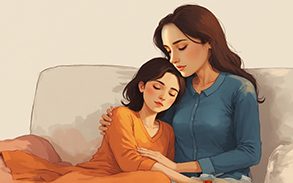
Letting a friend sit beside you without any compulsion to make a conversation.
Lying down when you are tired.
These are not signs of weakness. They are signs of being human.
During such times, remember that you do not need to force yourself to ‘cope’. It is okay to pause.
You Are Doing Better Than You Think
Progress isn't always visible to others but even making it through the day is progress.
Grief reshapes you, but healing eventually settles into a quiet, gentle rhythm. This change happens subtly, in moments so small they often go unnoticed.
Resting is also a form of healing.
Being still is also a form of healing.
Tears are also a form of healing.
And not knowing what you feel - that is also a part of healing.
In Closing
You do not have to be okay today.
You do not need to rush your healing.
You are allowed to take your time to feel light.
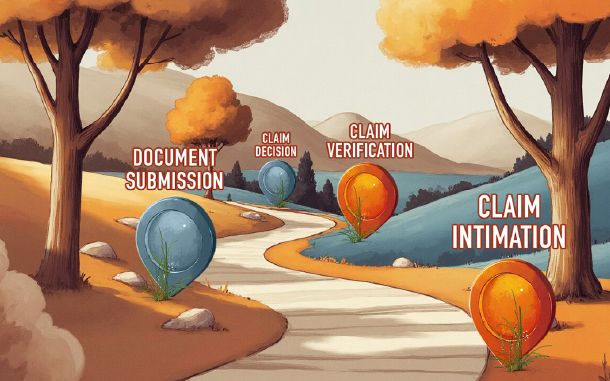
When dealing with grief, there might be some immediate responsibilities that require your attention – funeral arrangements, property settlements, applying claims through life insurance plans, and more. But you do not have to do them immediately. As healing comes, you will have more strength to move ahead in the world. Let the time come at its own pace.
Sometimes, the bravest thing a person can do is pause, breathe, rest, or just feel. Sometimes, the bravest thing a person can do, is just exist.
And that is enough.
By Sameeksha Phadke
Counselling Psychologist