Customers
 Distributor
 Join us as an Advisor
 Employee












































 :
 :
 :









Key Takeaways
You can join NPS without a salary, subject to eligibility and KYC requirements.
Your account stays in your name, even when your spouse helps fund contributions.
Returns are market-linked; your eventual pension depends on savings and annuity choices.
Running a household creates economic value, even when no salary reaches your bank account. India’s Time Use Survey found that female participants aged 15–59 spent 305 minutes daily on unpaid domestic services. It also found that 41% of females in this age group participated in unpaid caregiving. Yet these responsibilities do not automatically provide an employer-funded pension. NPS for homemakers in India offers a way to build retirement savings that belong to you.

How Does NPS Work Without a Salary?
If you are wondering what NPS is, it is the National Pension System, a voluntary retirement savings arrangement regulated by PFRDA. You contribute to an individual account, and pension funds invest your money according to your selected scheme and allocation.
There is no separate NPS scheme for a housewife. You join through the All-Citizen Model, which does not require salaried employment. Eligible Indian citizens, including residents and non-residents, and Overseas Citizens of India can currently enrol between ages 18 and 85, subject to KYC requirements.
Your spouse can help fund your savings from the household budget. However, you remain the subscriber and control your account; it is not a joint pension account.
How Can You Open Your Account?
Opening an NPS account for a housewife follows the usual individual registration process:
1. Register through an authorised online NPS platform or a Point of Presence, such as a participating bank.
2. Complete KYC and provide the required identity, address and bank details.
3. Select your pension fund and investment option, and add nomination details.
4. Make your initial contribution and retain your Permanent Retirement Account Number, or PRAN.
Tier I is the core retirement account. Under standard contribution requirements, you can start with ₹500 and must contribute at least ₹1,000 annually. You can contribute at convenient intervals rather than commit to a fixed monthly instalment.
How Much Should You Save?
The minimum contribution keeps you started, but it is unlikely to fund a meaningful pension. Decide what the household can consistently set aside for your future.
For example, suppose you invest ₹3,000 at each month’s end for 25 years. At an assumed annual return of 8%, compounded monthly, your ₹9 lakh contribution could grow to approximately ₹28.5 lakh. This illustration excludes charges and taxes; actual returns can be lower or higher.
An NPS calculator lets you test contribution amounts, investment periods and assumed returns. Separately, a retirement calculator helps estimate future expenses after inflation. Compare these figures before deciding whether your savings target is adequate.
How Should You Choose Investments?
When evaluating NPS for a housewife, start with your investment horizon and comfort with fluctuations. Available choices include equity, corporate debt and government securities, subject to scheme rules.
Active Choice lets you select allocations within permitted limits. Auto Choice adjusts allocations with age under the chosen lifecycle option. Review your allocation periodically, especially as retirement approaches. Maintain accessible emergency savings outside NPS so an unexpected household expense does not disrupt your pension plan. npstrust.org.in
When Can You Withdraw or Receive Pension?
For the All Citizen Model, normal exit is generally available at age 60 or after 15 years of subscription, whichever comes earlier, subject to scheme-specific vesting conditions.
Current rules generally permit up to 80% as a lump sum, with at least 20% used to buy an annuity. Special provisions apply to smaller balances. Premature exits have stricter annuity requirements, so check the rules before withdrawing.
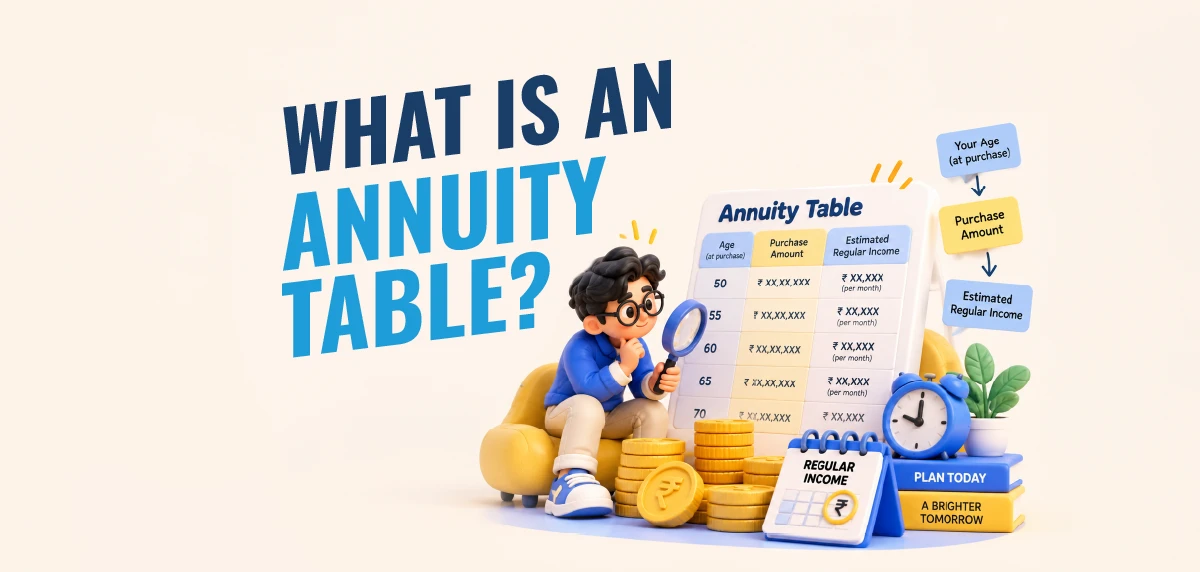
An annuity converts the amount invested into regular income. Your pension depends on the purchase amount, prevailing annuity rates and payout option. NPS does not promise a fixed pension when you enrol.
What About Tax Benefits and Other Pension Options?
Using the National Pension System for a housewife does not automatically create household tax savings. Your spouse cannot claim your contributions as their own NPS deduction. Without taxable income, deductions offer no immediate benefit; your tax regime also matters. Withdrawal permissions also differ from tax exemptions; annuity income is taxable under applicable rules.
For predictable retirement income, you can also explore the IndiaFirst Life Guaranteed Pension Plan, a separate deferred annuity product offering single-life and joint-life options, subject to policy terms.
Before You Go
Pension schemes provide support, but a personalised retirement plan can help secure your future lifestyle.
See My Retirement Income
Conclusion
Make your pension contribution a named expense in the household budget, alongside groceries and utilities. Keep your login access, contact details and nomination current. Financial independence becomes more practical when you can track and manage your own retirement savings over the coming years.