ग्राहक
  वितरक
वितरक  हमसे जुड़ें
  कर्मचारी






एलीट टर्म प्लान
-
![tick]()
99 वर्ष की उम्र तक आजीवन सुरक्षा
-
![tick]()
किफायती कीमत पर बड़ा कवर
-
![tick]()
सुविधाजनक प्रीमियम भुगतान विकल्प
-
![tick]()
एकमुश्त या मासिक किस्तों में बीमा की राशि


डाउनलोड करें ब्रोशर

सुपर प्रोटेक्शन प्लान
-
![tick]()
अपने पैसे वापस पाने का विकल्प (रिटर्न ऑफ प्रीमियम- ROP)
-
![tick]()
अपनी सुविधा के अनुसार प्रीमियम चुकाने की छूट
-
![tick]()
99 वर्ष की आयु तक लाइफटाइम सुरक्षा
-
![tick]()
सम एश्योर्ड एकमुश्त या मासिक किश्तों में
डाउनलोड करें ब्रोशर
लाइफ़ प्लान
-
![tick]()
अवधि चुनने की सुविधा
-
![tick]()
परिवार को भुगतान मिलेगा
-
![tick]()
बीमित राशि चुनने की सुविधा
-
![tick]()
लंबे समय की सुरक्षा
डाउनलोड करें ब्रोशर
प्रोटेक्ट शील्ड प्लस प्लान
-
![tick]()
तुरंत जारी
-
![tick]()
किफायती प्रीमियम
-
![tick]()
कोई मेडिकल टेस्ट नहीं1
-
![tick]()
मौजूदा टैक्स नियमों के अनुसार टैक्स छूट
डाउनलोड करें ब्रोशर
सरल जीवन बीमा
-
![tick]()
₹50 लाख तक का जीवन बीमा कवर।
-
![tick]()
सुविधाजनक प्रीमियम भुगतान के विकल्प
-
![tick]()
प्रियजनों के लिए 40 वर्ष तक की सुरक्षा।
-
![tick]()
एकमुश्त लाभ के साथ कोविड-19 से सुरक्षा।
डाउनलोड करें ब्रोशर
टर्म राइडर प्लान
-
![tick]()
5-30 वर्ष तक अतिरिक्त जीवन बीमा
-
![tick]()
गारंटीशुदा एकमुश्त डेथ बेनफिट
-
![tick]()
अपने द्वारा निवेश किए जाने वाले प्रीमियम पर कर संबंधी फायदे पाएँ.
डाउनलोड करें ब्रोशर

एलीट टर्म प्लान
-
![tick]()
99 वर्ष की उम्र तक आजीवन सुरक्षा
-
![tick]()
किफायती कीमत पर बड़ा कवर
-
![tick]()
सुविधाजनक प्रीमियम भुगतान विकल्प
-
![tick]()
एकमुश्त या मासिक किस्तों में बीमा की राशि
डाउनलोड करें ब्रोशर
सुपर प्रोटेक्शन प्लान
-
![tick]()
अपने पैसे वापस पाने का विकल्प (रिटर्न ऑफ प्रीमियम- ROP)
-
![tick]()
अपनी सुविधा के अनुसार प्रीमियम चुकाने की छूट
-
![tick]()
99 वर्ष की आयु तक लाइफटाइम सुरक्षा
-
![tick]()
सम एश्योर्ड एकमुश्त या मासिक किश्तों में
डाउनलोड करें ब्रोशर
लाइफ़ प्लान
-
![tick]()
अवधि चुनने की सुविधा
-
![tick]()
परिवार को भुगतान मिलेगा
-
![tick]()
बीमित राशि चुनने की सुविधा
-
![tick]()
लंबे समय की सुरक्षा
डाउनलोड करें ब्रोशर
प्रोटेक्ट शील्ड प्लस प्लान
-
![tick]()
तुरंत जारी
-
![tick]()
किफायती प्रीमियम
-
![tick]()
कोई मेडिकल टेस्ट नहीं1
-
![tick]()
मौजूदा टैक्स नियमों के अनुसार टैक्स छूट
डाउनलोड करें ब्रोशर
सरल जीवन बीमा प्लान
-
![tick]()
₹50 लाख तक का जीवन बीमा कवर।
-
![tick]()
सुविधाजनक प्रीमियम भुगतान के विकल्प
-
![tick]()
प्रियजनों के लिए 40 वर्ष तक की सुरक्षा।
-
![tick]()
एकमुश्त लाभ के साथ कोविड-19 से सुरक्षा।
डाउनलोड करें ब्रोशर

रेडियंस स्मार्ट इन्वेस्ट प्लान
-
![tick]()
शून्य फ़ंड आवंटन शुल्क
-
![tick]()
10 अलग-अलग फ़ंड में से चुनें
-
![tick]()
अपने निवेश संबंधी लक्ष्य प्राप्त करने के लिए 3 योजना विकल्प
-
![tick]()
अधिक रिटर्न के लिए 100% पैसे का निवेश किया जाता है
डाउनलोड करें ब्रोशर
मनी बैलेंस प्लान
-
![tick]()
निवेश की बेहतरीन नीति
-
![tick]()
सुविधाजनक प्रीमियम भुगतान
-
![tick]()
आहरण की आंशिक सुविधा
-
![tick]()
फंड की सुविधाजनक पहुंच
डाउनलोड करें ब्रोशर
ट्यूलिप प्लस प्लान
-
![tick]()
Up to 100x life insurance cover
-
![tick]()
Up to 750% return of Premium Allocation charges
-
![tick]()
Riders designed to cover additional risks
-
![tick]()
Reduced premium allocation charge for higher premiums
डाउनलोड करें ब्रोशर
ट्यूलिप प्रो प्लान
-
![tick]()
Up to 20X Life Cover for Your Loved Ones
-
![tick]()
Additional Coverage through TERM Rider
-
![tick]()
Multiple Investment Strategies and up to 10 Diversified Funds
-
![tick]()
Up to 600% of Premium Allocation Charges returned at Maturity
डाउनलोड करें ब्रोशर
वेल्थ मैक्सिमाइज़र प्लान
-
![tick]()
मार्केट लिंक्ड रिटर्न
-
![tick]()
अधिकतम लाभ के लिए मुफ्त स्विच
-
![tick]()
दीर्घकालिक लोयल्टी फायदे
-
![tick]()
टॉप-अप प्रीमियम जोड़ें
डाउनलोड करें ब्रोशर

एश्योर्ड इनकम फॉर माइलस्टोन्स प्लान
-
![tick]()
गारंटीड लॉन्ग-टर्म इनकम प्लान
-
![tick]()
माइलस्टोन-आधारित फाइनेंशियल प्लानिंग के लिए एकदम सही
-
![tick]()
तीन कस्टमाइज़ेबल बेनिफिट विकल्प
-
![tick]()
तुरंत या बाद में इनकम शुरू करने के विकल्प
डाउनलोड करें ब्रोशर
गारंटी ऑफ़ लाइफ़ ड्रीम्स प्लान
-
![tick]()
3 आय विकल्प में से पसंद करने का विकल्प
-
![tick]()
ऑनलाइन खरीद पर 5% तक अतिरिक्त आय
-
![tick]()
महिलाओं के लिए ज़्यादा आय लाभ
-
![tick]()
नियमित आय प्राप्त करने के लिए तारीख चुनने का विकल्प
डाउनलोड करें ब्रोशर
गारंटीड सिंगल प्रीमियम प्लान
-
![tick]()
निवेश पर निश्चित रूप से 7 गुना रिटर्न
-
![tick]()
एकमुश्त भुगतान (एकल भुगतान)
-
![tick]()
कर बचत का लाभ*
-
![tick]()
लाइफ कवर जो 1.25 गुना अधिक है
डाउनलोड करें ब्रोशर
महाजीवन प्लस प्लान
-
![tick]()
15 से 20 वर्ष तक का लाइफ़ कवर
-
![tick]()
आवधिक कैश बैक
-
![tick]()
बिना किसी रुकावट के लाइफ़ कवर
-
![tick]()
जल्द प्रीमियम भुगतान के साथ मनी बैक छूट
डाउनलोड करें ब्रोशर

स्मार्ट रिटायरमेंट प्लान
-
![tick]()
3 नए फंड्स की मदद से मार्केट लिंक्ड रिटर्न!
-
![tick]()
आपके रिटायरमेंट को सुरक्षित करने के लिए 2 प्लान चुनने का विकल्प
-
![tick]()
शून्य एलोकेशन या एडमिनिस्ट्रेशन चार्ज।
-
![tick]()
वर्ष 1 में 5% तक की गारंटीड एडिशन्स*
डाउनलोड करें ब्रोशर
गारंटीड पेंशन प्लान
-
![tick]()
जीवन भर के लिए आमदनी
-
![tick]()
5 एन्युएटी विकल्प
-
![tick]()
ज्वाइंट लाइफ सुरक्षा
-
![tick]()
बढ़ते एन्युटी का विकल्प
डाउनलोड करें ब्रोशर
गारंटीड एन्युटी प्लान
-
![tick]()
रिटायरमेंट की प्लानिंग
-
![tick]()
12 एन्युटी विकल्प
-
![tick]()
अतिरिक्त रिटायरमेंट पॉलिसी लाभ
-
![tick]()
संयुक्त जीवन विकल्प के साथ निरंतरता
डाउनलोड करें ब्रोशर
गारंटीड रिटायरमेंट प्लान
-
![tick]()
सुनिश्चित रिटर्न
-
![tick]()
महंगाई को खत्म करें
-
![tick]()
तय करें कि कैसे बचत करनी है
-
![tick]()
40 वर्ष के लंबे समय तक बचत करें
डाउनलोड करें ब्रोशर

एश्योर्ड इनकम फॉर माइलस्टोन्स प्लान
-
![tick]()
गारंटीड लॉन्ग-टर्म इनकम प्लान
-
![tick]()
माइलस्टोन-आधारित फाइनेंशियल प्लानिंग के लिए एकदम सही
-
![tick]()
तीन कस्टमाइज़ेबल बेनिफिट विकल्प
-
![tick]()
तुरंत या बाद में इनकम शुरू करने के विकल्प
डाउनलोड करें ब्रोशर
गारंटी ऑफ़ लाइफ़ ड्रीम्स प्लान
-
![tick]()
3 आय विकल्प में से पसंद करने का विकल्प
-
![tick]()
ऑनलाइन खरीद पर 5% तक अतिरिक्त आय
-
![tick]()
महिलाओं के लिए ज़्यादा आय लाभ
-
![tick]()
नियमित आय प्राप्त करने के लिए तारीख चुनने का विकल्प
डाउनलोड करें ब्रोशर
गारंटीड सिंगल प्रीमियम प्लान
-
![tick]()
निवेश पर निश्चित रूप से 7 गुना रिटर्न
-
![tick]()
एकमुश्त भुगतान (एकल भुगतान)
-
![tick]()
कर बचत का लाभ*
-
![tick]()
लाइफ कवर जो 1.25 गुना अधिक है
डाउनलोड करें ब्रोशर
लॉन्ग गारंटीड इनकम प्लान
-
![tick]()
छोटी अवधि का भुगतान, लंबे समय तक लाभ
-
![tick]()
वित्तीय लक्ष्यों को पूरा करने के लिए आय की गारंटी
-
![tick]()
99 वर्ष की उम्र तक आजीवन आय
-
![tick]()
प्रीमियम का वापस भुगतान करने पर आश्वासन
डाउनलोड करें ब्रोशर

टर्म राइडर
-
![tick]()
5-30 वर्ष तक अतिरिक्त जीवन बीमा
-
![tick]()
गारंटीशुदा एकमुश्त डेथ बेनफिट
-
![tick]()
अपने द्वारा निवेश किए जाने वाले प्रीमियम पर कर संबंधी फायदे पाएँ.
डाउनलोड करें ब्रोशर
वेवर ऑफ़ प्रीमिप्रीमियम राइडर की इंडियाफ़र्स्ट लाइफ़ छूटयम राइडर
-
![tick]()
3 कवरेज विकल्प
-
![tick]()
आपके अपनो के लिए वित्तीय सुरक्षा की गारंटी
-
![tick]()
पॉलिसी आपकी अनुपस्थिति में भी प्रभावी रहती है (डब्ल्यूओपी)
डाउनलोड करें ब्रोशर
एडीबी राइडर
-
![tick]()
Up to 2 Cr. Additional cover over existing policy
-
![tick]()
Protect your loved ones at affordable price
-
![tick]()
Tax Advantages
डाउनलोड करें ब्रोशर
टीपीडी राइडर
-
![tick]()
Up to 1 Cr. Additional cover
-
![tick]()
Protect your loved ones at affordable price
-
![tick]()
Tax Advantages
डाउनलोड करें ब्रोशर

ग्रुप लिविंग बेनिफिट्स प्लान
-
![tick]()
व्यापक समूह स्वास्थ्य बीमा
-
![tick]()
व्यवसाय के लिए किफ़ायती स्वास्थ्य कवरेज
-
![tick]()
समूह जीवन बीमा के लिए कोविड-19 सुरक्षा
-
![tick]()
निश्चित लाभ का आश्वासन
डाउनलोड करें ब्रोशर
टर्म लाइफ इन्शुरन्स प्लान
-
![tick]()
किफ़ायती ग्रुप टर्म बीमा
-
![tick]()
स्वैच्छिक या स्वचालित नामांकन
-
![tick]()
EDLI के साथ एन्हांस्ड कवरेज
-
![tick]()
सुविधाजनक प्रीमियम भुगतान
डाउनलोड करें ब्रोशर
न्यू कॉर्पोरेट बेनिफिट प्लान
-
![tick]()
प्रत्येक स्किम के लिए एक अलग प्लान
-
![tick]()
प्रति वर्ष 0.5% का न्यूनतम सुनिश्चित रिटर्न
-
![tick]()
कंपनी के प्रदर्शन के अनुसार वार्षिक बोनस
-
![tick]()
आसान रिटर्न प्राप्त करें

लिटिल चैम्प प्लान
-
![tick]()
वित्तीय सुरक्षा
-
![tick]()
कस्टमाइज़ हो सकें ऐसी पॉलिसी
-
![tick]()
निश्चित भुगतान
-
![tick]()
कवरेज के विविध विकल्प
डाउनलोड करें ब्रोशर


टर्म इंश्योरेंस कैलकुलेटर
हमारे टर्म इंश्योरेंस कैलकुलेटर का इस्तेमाल करें और जानें कि आपके परिवार की आर्थिक सुरक्षा के लिए सही कवर कितना होना चाहिए।

चाइल्ड प्लान कैलकुलेटर
हमारे आसान चाइल्ड प्लान कैलकुलेटर के साथ अपने बच्चे की पढ़ाई और भविष्य के लक्ष्यों की सही प्लानिंग करें।

रिटायरमेंट प्लान कैलकुलेटर
अंदाजा लगाएं कि एक आरामदायक और टेंशन-फ्री रिटायरमेंट के लिए आपको कितनी बचत करने की ज़रूरत है।

डिले कैलकुलेटर की लागत
देखें कि समय पर इन्वेस्ट न करने से आप भविष्य में होने वाला कितना बड़ा मुनाफ़ा खो सकते हैं।

ह्यूमन लाइफ़ वैल्यू कैलकुलेटर
अपनी ह्यूमन लाइफ वैल्यू कैलकुलेट करें और समझें कि आपके परिवार को वास्तव में कितने इंश्योरेंस कवर की ज़रूरत है।

पेड उप कैलकुलेटर
अपनी पॉलिसी की पेड-अप वैल्यू चेक करें और अपने पैसों से जुड़े सही फैसले लें।

वार्षिकी कैलकुलेटर
हमारे एन्युइटी कैलकुलेटर की मदद से जानें कि रिटायरमेंट के बाद आपको हर महीने कितनी रेगुलर इनकम मिल सकती है।

ULIP Calculator
पॉलिसी की अवधि के दौरान अपने यूलिप इनवेस्टमेंट पर मिलने वाले संभावित रिटर्न का अंदाज़ा लगाएं।

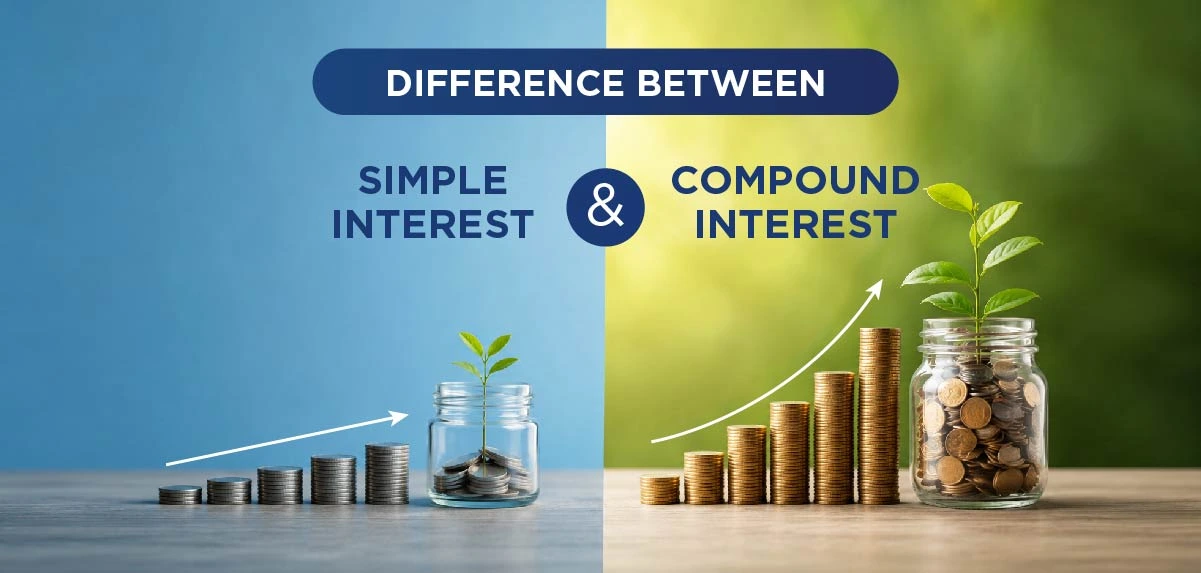
कंपाउंड इंटरेस्ट कैलकुलेटर
समझें कि कंपाउंडिंग की ताकत से आपका पैसा समय के साथ कैसे बढ़ता है।

फ़्यूचर वेल्द क्रिएशन कैलकुलेटर
अपने भविष्य के बड़े लक्ष्यों को पूरा करने के लिए अपने इनवेस्टमेंट को असरदार तरीके से प्लान करें।

SIP कैलकुलेटर
बस कुछ ही क्लिक्स में अपनी मंथली SIP पर मिलने वाला रिटर्न कैलकुलेट करें।

SSY कैलकुलेटर
हमारे आसान SSY कैलकुलेटर का इस्तेमाल करें और जानें कि आप अपनी बेटी के भविष्य के लिए कितनी बचत कर सकते हैं।

RD कैलकुलेटर
रिकरिंग डिपॉजिट में किए गए अपने इनवेस्टमेंट पर मिलने वाली मैच्योरिटी राशि आसानी से कैलकुलेट करें।

NPS कैलकुलेटर
नैशनल पेंशन स्कीम में इनवेस्टमेंट के ज़रिए अपने रिटायरमेंट फंड और पेंशन का अंदाज़ा लगाएं।

इनकम टैक्स कैलकुलेटर
अपने टैक्स का हिसाब लगाएं और बेहतर तरीके से टैक्स प्लानिंग करें।

होम लोन EMI कैलकुलेटर
अपने होम लोन की EMI कैलकुलेट करें और अपनी किस्तों को आसानी से मैनेज करें।

कार लोन EMI कैलकुलेटर
अपने कार लोन की EMI जानें और अपने लिए सही पेमेंट प्लान चुनें।

पर्सनल लोन EMI कैलकुलेटर
लोन के लिए अप्लाई करने से पहले अपनी पर्सनल लोन EMI का अंदाज़ा लगाएं।

सैलरी कैलकुलेटर
टैक्स और कटौतियों के बाद अपनी इन-हैंड सैलरी कैलकुलेट करें।

ग्रैच्युटी कैलकुलेटर
अपनी नौकरी के सालों और सैलरी के आधार पर मिलने वाली ग्रैच्युटी राशि कैलकुलेट करें।
CIBIL स्कोर कैलकुलेटर
अपना CIBIL स्कोर जानें और अपनी क्रेडिट हेल्थ को बेहतर ढंग से समझें।

BMI कैलकुलेटर
अपना बॉडी मास इंडेक्स चेक करें और अपनी सेहत को बेहतर तरीके से समझें।

नॉमिनी सेंट्रल
आपके अपनों के लिए एक ऐसी जगह, जहाँ वे लाइफ इंश्योरेंस नॉमिनेशन और क्लेम से जुड़ी हर चीज़ आसानी से पा सकते हैं, समझ सकते हैं और मैनेज कर सकते हैं।

लाइफ इंश्योरेंस की किताब
लाइफ इंश्योरेंस की बुनियादी बातों को आसान भाषा में समझने के लिए आपकी अपनी गो-टू गाइड

इंडियाज़ फर्स्ट्स
जानें भारत के उन महान आविष्कारों और ऐतिहासिक पड़ावों के बारे में, जिन्होंने पूरी दुनिया को एक नई दिशा दी।

लाइफ+ न्यूज़लेटर
इंश्योरेंस और पैसों से जुड़ी स्मार्ट और आसान जानकारी—हर महीने सीधे आपके इनबॉक्स में।

इंश्योरेंस वीडियो
छोटे और आसान वीडियो, जो इंश्योरेंस को बेहतर तरीके से समझने में आपकी मदद करेंगे।

इंश्योरेंस पॉडकास्ट
एक्सपर्ट्स की बातें सुनें और चलते-फिरते इंश्योरेंस की बारीकियों को आसानी से समझें।
Menu
![close]()

-
टर्म इंश्योरेंस प्लान
![plus]()
![plus]()
-
टर्म प्लान्स
![arrow]()
-
आय आधारित टर्म प्लान
![arrow]()
![back]() आय आधारित टर्म प्लान
आय आधारित टर्म प्लान
![close]()
-
बीमा कवरेज विकल्प
![arrow]()
![back]() बीमा कवरेज विकल्प
बीमा कवरेज विकल्प
![close]()
-
हर किसी के लिए टर्म इंश्योरेंस
![arrow]()
![back]() हर किसी के लिए टर्म इंश्योरेंस
हर किसी के लिए टर्म इंश्योरेंस
![close]()
-
सभी उम्र के लिए टर्म इंश्योरेंस कवरेज
![arrow]()
![back]() सभी उम्र के लिए टर्म इंश्योरेंस कवरेज
सभी उम्र के लिए टर्म इंश्योरेंस कवरेज
![close]()
-
टर्म इंश्योरेंस कैलकुलेटर
![arrow]()
![back]() टर्म इंश्योरेंस कैलकुलेटर
टर्म इंश्योरेंस कैलकुलेटर
![close]()
-
इंडियाफर्स्ट लाइफ टर्म राइडर प्लान
![arrow]()
![back]() इंडियाफर्स्ट लाइफ टर्म राइडर प्लान
इंडियाफर्स्ट लाइफ टर्म राइडर प्लान
![close]()
-
टर्म प्लान्स
-
इन्वेस्टमेंट प्लान्स
![plus]()
![plus]()
-
इन्वेस्टमेंट प्लान्स
![arrow]()
![back]() इन्वेस्टमेंट प्लान्स
इन्वेस्टमेंट प्लान्स
![close]()
-
इन्वेस्टमेंट प्लान्स
-
सभी प्लान्स
![plus]()
![plus]()
-
टर्म इंश्योरेंस प्लान
![arrow]()
-
यूलिप प्लान्स
![arrow]()
-
बचत प्लान्स
![arrow]()
-
सेवानिवृत्ति एवं पेंशन प्लान्स
![arrow]()
-
गारंटीड रिटर्न्स प्लान्स
![arrow]()
![back]() गारंटीड रिटर्न्स प्लान्स
गारंटीड रिटर्न्स प्लान्स
![close]()
-
लाइफ़ बीमा राइडर
![arrow]()
![back]() लाइफ़ बीमा राइडर
लाइफ़ बीमा राइडर
![close]()
-
ग्रुप और कॉर्पोरेट लाइफ इन्शुरन्स प्लान्स
![arrow]()
![back]() ग्रुप और कॉर्पोरेट लाइफ इन्शुरन्स प्लान्स
ग्रुप और कॉर्पोरेट लाइफ इन्शुरन्स प्लान्स
![close]()
-
चाइल्ड बीमा प्लान्स
![arrow]()
![back]() चाइल्ड बीमा प्लान्स
चाइल्ड बीमा प्लान्स
![close]()
-
टर्म इंश्योरेंस प्लान
-
उपकरण एवं कैलकुलेटर्स
![plus]()
![plus]()
-
इंश्योरेंस कैलकुलेटर्स
![arrow]()
![back]() इंश्योरेंस कैलकुलेटर्स
इंश्योरेंस कैलकुलेटर्स
![close]()
-
इन्वेस्टमेंट कैलकुलेटर्स
![arrow]()
-
वित्तीय प्लान कैलकुलेटर
![arrow]()
-
स्वास्थ्य कैलकुलेटर
![arrow]()
![back]() स्वास्थ्य कैलकुलेटर
स्वास्थ्य कैलकुलेटर
![close]()
-
इंश्योरेंस कैलकुलेटर्स
-
सीखें
![plus]()
![plus]()
-
विशेषज्ञ संसाधन
![arrow]()
![back]() विशेषज्ञ संसाधन
विशेषज्ञ संसाधन
![close]()
-
ज्ञान केंद्र
![arrow]()
![back]() ज्ञान केंद्र
ज्ञान केंद्र
![close]()
-
विशेषज्ञ संसाधन
-
क्लेम्स
![plus]()
![plus]()
-
क्लेम्स
![arrow]()
![back]() क्लेम्स
क्लेम्स
![close]()
-
क्लेम्स
-
ग्राहक सेवा
![plus]()
![plus]()
-
डाउनलोड सेक्शन
![arrow]()
![back]() डाउनलोड सेक्शन
डाउनलोड सेक्शन
![close]()
-
हमसे संपर्क करें
![arrow]()
![back]() हमसे संपर्क करें
हमसे संपर्क करें
![close]()
-
पॉलिसीहोल्डर कॉर्नर
![arrow]()
![back]() पॉलिसीहोल्डर कॉर्नर
पॉलिसीहोल्डर कॉर्नर
![close]()
-
डाउनलोड सेक्शन
- $NRI प्लान्स




Menu


Term insurance


 :
:
 :
:
 :
:

 कोई टाइम स्लॉट चुनें

कॉल के लिए उपयुक्त समय बताएं


जीवन बीमा खरीदने के लिए हमारे विशेषज्ञ की राय लें

हमें यह जानकर बहुत खुशी हुई कि आप अपने परिवार के भविष्य को वरीयता देते हैं। हमारे जीवन बीमा विशेषज्ञ आपके लिए उपयुक्त बीमा प्लान ढूंढने में मदद करेंगे। कृपया अपना विवरण साझा करें ताकि हम आपको कॉल कर सकें।


पुरुष


महिला


अन्य


अपना विवरण सबमिट करने के लिए धन्यवाद
आपकी अंतर्दृष्टि हमारी सेवाओं को बेहतर बनाने और बढ़ाने में मदद करने में महत्वपूर्ण भूमिका निभाती है।